
You can set up an electric cabinet light without stress. Start with a clear workspace and a positive mindset. Always keep safety first in mind. Follow each step with care. You will avoid mistakes and create a clean, professional look you can feel proud of.
You have a lot of options when it comes to cabinet lighting. The most popular choice for kitchens and workspaces is under cabinet lighting. This type lights up your counters and makes tasks easier. Here’s a quick look at some common types:
| Type of Lighting | Description |
| Under Cabinet Lighting | Ideal for illuminating countertops and workspaces in kitchens and other areas |
You can pick from battery-operated, plug-in, or hardwired lights. For a quick and easy install, plug-in or battery-operated lights work best. Many people love led tape lighting because it’s flexible and easy to hide. Led tape lighting also fits in tight spaces and gives you a modern look.
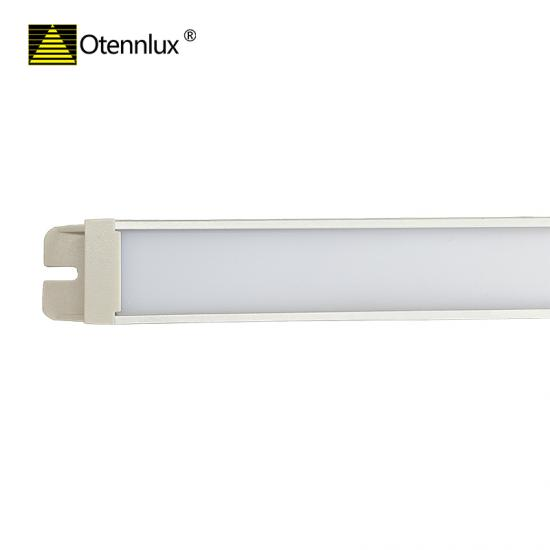
Think about brightness and color before you buy. If you choose a light that’s too cool, your kitchen might feel sterile. If it’s too warm, colors can look off. Most people like a balanced warm-white for under cabinet lighting. It makes wood and marble look great. Led tape lighting comes in different brightness levels, so you can match your needs. A good lighting setup not only looks nice but also makes your cabinets more useful.
Tip: Always check the manufacturer’s instructions for your under cabinet lighting or led tape lighting. This helps you avoid mistakes and get the best results.
You don’t need many tools for most cabinet lights. Here’s what you might use:
Led tape lighting and under cabinet lighting both make your space brighter and more inviting. Choose the style that fits your needs and get ready for a simple install.
You want your electric cabinet light to stay put and work well. Start by prepping the surface. Grab some rubbing alcohol (90% or higher) and a lint-free cloth. Wipe the underside of each cabinet to remove grease and dust. This step helps the adhesive stick better and keeps your installation solid. Let the area dry completely before you move on. If you skip this, your lights might fall off or shift over time.
Tip: A clean surface means fewer problems later. Take a minute to double-check for any leftover grime.
Now, decide where you want the best illumination. Most people place task lighting in the front third of the cabinet’s underside. This spot lights up your workspace without casting shadows. If you’re using puck lights, stagger them about 8 to 12 inches apart for even coverage.
To mark your spots, try these methods:
Once you’ve marked the spots, test your battery-operated lights before you stick or screw them in. Unroll the strip, connect it to the power adapter, and plug it in. Check that every LED lights up and the color temperature matches your needs. This step saves you from frustration and keeps your installation process smooth.
For plug-in lights, follow the manufacturer’s instructions closely. You might need a drill for mounting brackets or channels. Peel back the adhesive cover gradually and press the strip or bar onto the clean surface.
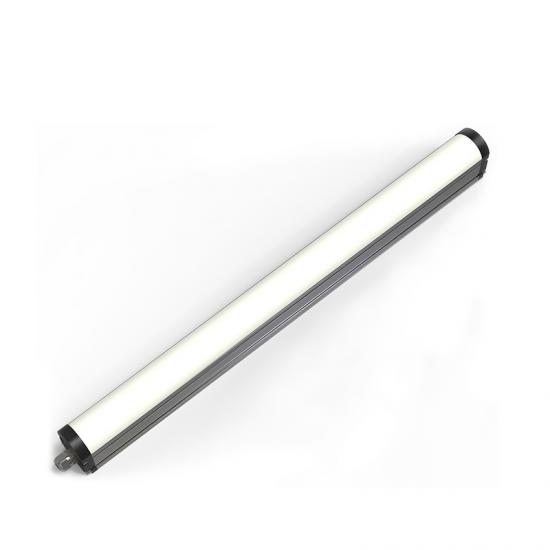
If you’re installing plug-in cabinet lights, measure your cabinets first. Decide where you’ll plug in the power adapter and plan the cord path. Test the LED strip by connecting it to the adapter and plugging it in. Make sure all LEDs light up properly. Cut the strip to the right length using sharp scissors along the marked cut lines.
Mount the strip by peeling back the adhesive and pressing it onto the cabinet. Secure the cord with adhesive clips to keep things tidy. For battery-operated lights, check the brightness and color before finalizing the install. Testing before you finish helps you avoid problems and ensures your electric cabinet light works as expected.
No one likes messy cords hanging down. You can keep your installation neat with a few tricks:
These steps make your electric cabinet light look professional and keep your kitchen or workspace clutter-free.
Safety matters at every stage of the installation. Double-check all connections to make sure they’re tight. Loose connections can cause intermittent power, overheating, or even shock hazards. Always use the right wire size for your lights. Overloaded junction boxes can lead to fire risks.
Here’s a quick table of common installation errors and why you should avoid them:
| Installation Error | Description | Safety Implications |
| Loose Connections | Connections not tightly secured can lead to intermittent power | Overheating and shock hazards |
| Incorrect Wire Sizing | Wires too small for the load can cause overheating | Potential fire risks |
| Overheating and shock hazards | Too many wires in one box can cause overheating. | Fire hazards due to strained connections |
Note: Inspect adhesive mounts regularly, especially in humid areas. Replace them if they start to weaken. Consider using an aluminum channel or frosted diffuser to improve light quality and extend the life of your LEDs.
By following this step by step installation, you’ll avoid common mistakes and keep your electric cabinet light safe and reliable. Take your time with each installation step, and you’ll get a bright, professional finish every time.
You might run into a few hiccups with your cabinet lights. Sometimes, the lights won’t turn on. Other times, you see flickering or uneven brightness. Don’t worry—most problems have simple solutions.
You want your cabinet lights to last as long as possible. Regular maintenance keeps them shining bright and prevents early failure. Here are some easy routines you can follow:
You don’t need fancy tools or special skills. Just check connections, wipe surfaces, and keep an eye on performance. If you notice dimming or flickering, act fast. Small fixes now save you bigger headaches later. Your cabinet lights will stay reliable and bright for years.







 |
|